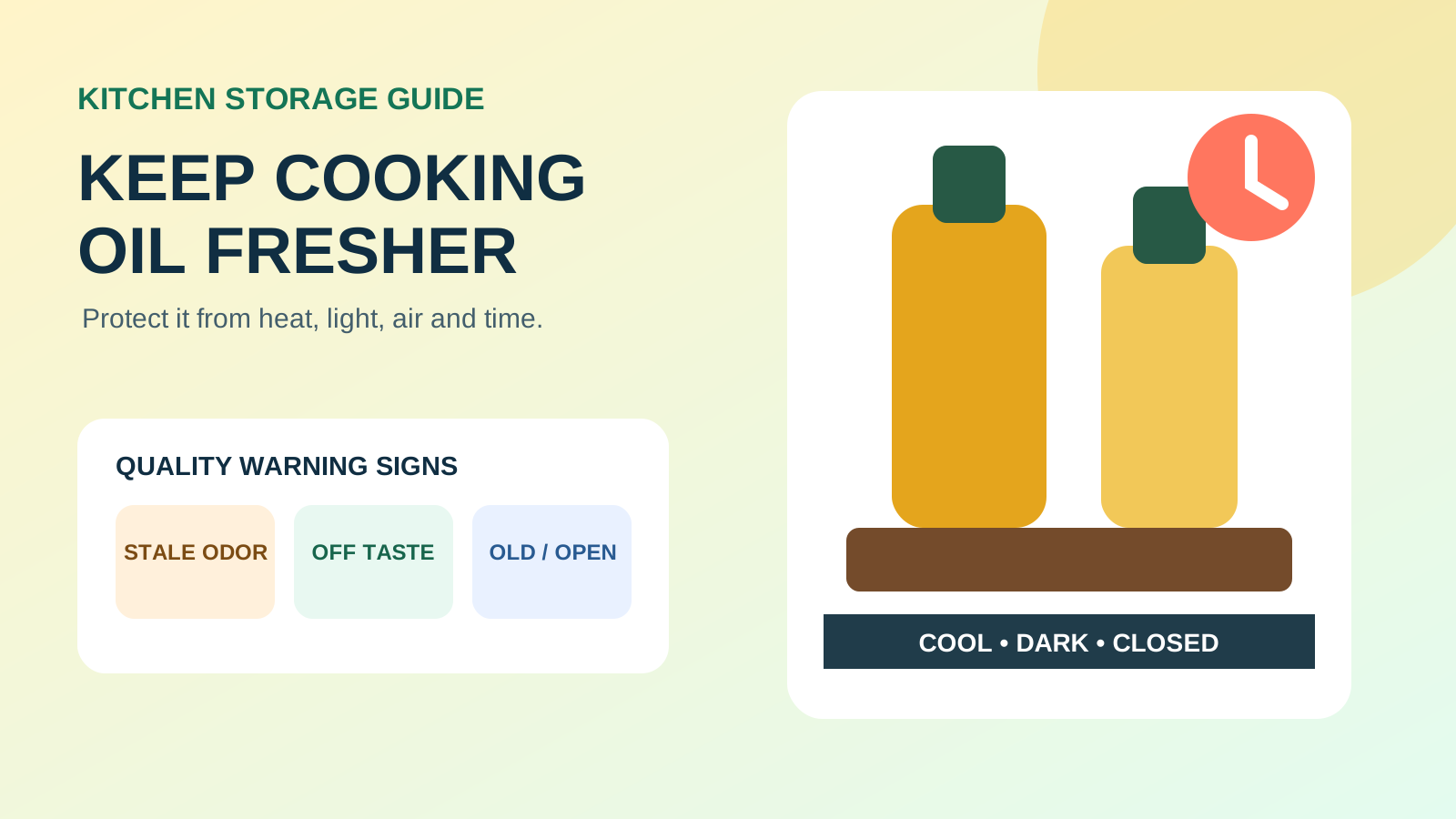
Best storage routine
- Follow the package instructions and best-before date.
- Keep ordinary cooking oil tightly closed in a cool, dark cupboard away from the stove.
- Buy a reasonable size that you can use while it still tastes fresh.
- Discard oil with a persistent stale, rancid or clearly abnormal odor or flavor.
Why oil loses freshness
Oils oxidise over time. UC Davis notes that exposure to oxygen, heat, light and age promotes oxidation, which makes oil stale and rancid. Storage cannot make oil last forever, but it can slow quality loss.
Do not store the everyday bottle beside the stove
A convenient spot can also be a hot, bright spot. A closed cupboard away from cooking heat is usually a better home for ordinary cooking oil.
Practical storage choices
| Choice | Why it helps |
|---|---|
| Cool, dark cupboard | Reduces exposure to heat and light |
| Tightly closed original container | Limits air and preserves label instructions |
| Reasonable pack size | Helps you finish the oil before quality declines |
| Clean pouring and utensils | Avoids introducing food, water or debris |
How to recognise rancidity
Rancid oil develops an undesirable odor and flavor. UC Davis describes stale oil as sometimes smelling similar to play dough, while Canadian inspection guidance describes rancidity through a persistent odor or colour associated with oxidized oil. If the oil smells or tastes clearly abnormal, discard it rather than trying to hide the flavor.
Cloudy oil is not automatically bad
Some oils become cloudy or solidify in cool temperatures. UC Davis says this is normal for olive oil and does not itself affect quality or safety. Read the product guidance and let temperature-related cloudiness reverse before judging it.
Important exception: homemade garlic or herb oil
Fresh garlic, herbs or vegetables in oil create a different food-safety situation. Oregon State University Extension warns that homemade garlic or herb oils require refrigeration and short storage, or freezing, because of botulism risk. Do not treat them like a bottle of plain commercial cooking oil.
When to discard or investigate
- The oil has a persistent stale, rancid or abnormal odor or taste.
- The bottle is leaking, damaged, contaminated or recalled.
- You do not know how a homemade infused oil was prepared or stored.
- The label gives storage or discard instructions that were not followed.