Fitness / Strength Training
Source angle: research-backed training advice with clear form, safety and programming notes.
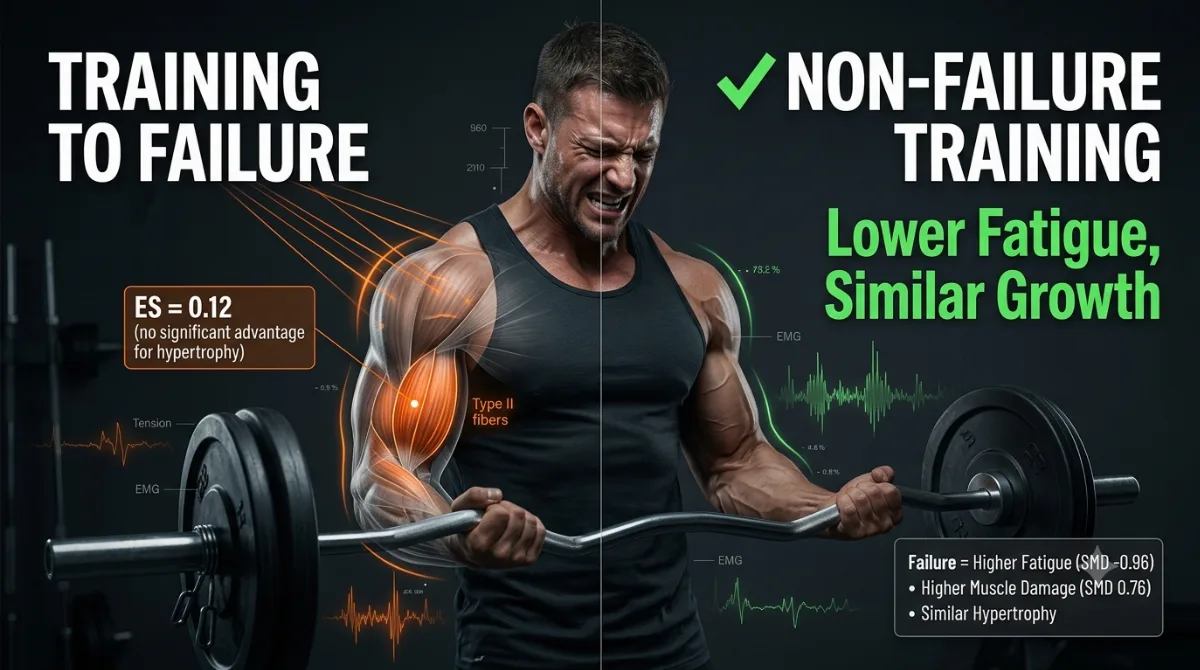
Training to failure is one of the most debated topics in strength training. A 2023 systematic review found no evidence that training to momentary muscular failure is superior to non-failure training for muscle hypertrophy. However, for resistance-trained individuals, a separate meta-analysis found a small but significant effect (ES = 0.15). The trade-off is significant: training to failure increases acute fatigue (SMD -0.96), muscle damage (SMD 0.76), and perceived exertion (SMD 1.93) compared to non-failure training. It may also lengthen recovery times, potentially impairing performance in su
Updated 28 July 2026, 9:21 am IST | IstrendingNow Desk
Fitness / Strength Training
Source angle: research-backed training advice with clear form, safety and programming notes.
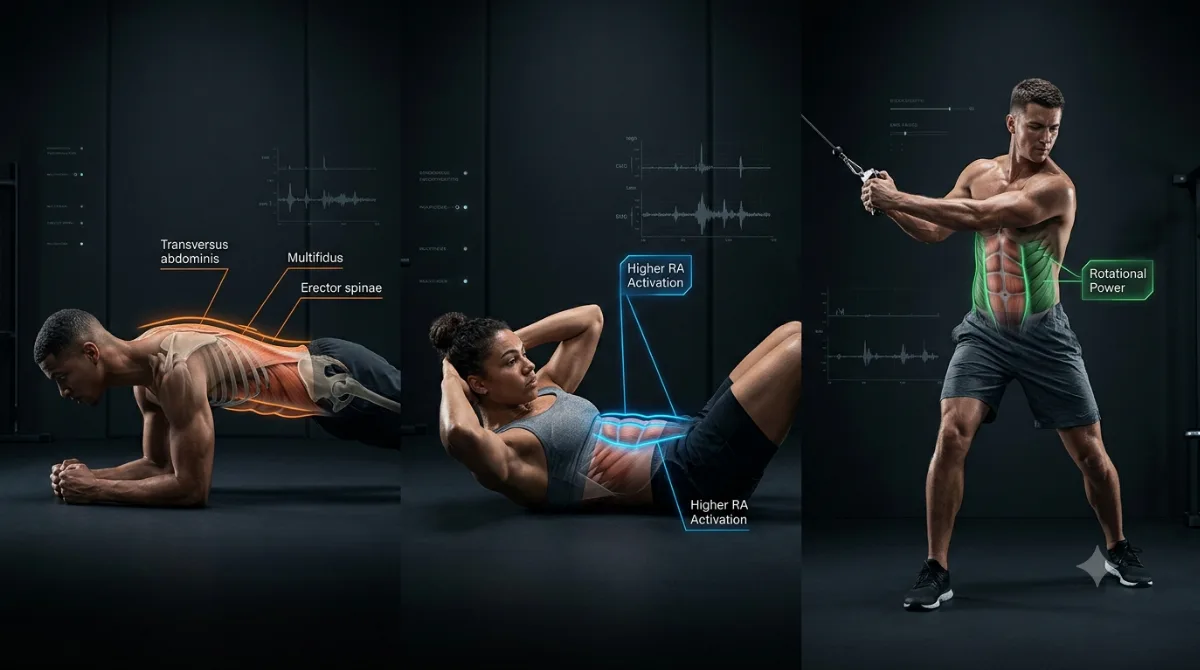
Different core exercises target different muscles — and the 'best' exercise depends on your goal. Crunches produce significantly higher rectus abdominis activation than planks, making them superior for six-pack development. Planks are better for spinal stabilisation and can effectively target the multifidus and erector spinae. Side planks are superior for oblique and lumbar paraspinal recruitment. The cable woodchop is the go-to for rotational core strength, making it essential for athletes and functional training. The takeaway: use all three — crunches for rectus abdominis hypertrophy, pl
Updated 27 July 2026, 11:27 pm IST | IstrendingNow Desk
Fitness / Strength Training
Source angle: PubMed-indexed EMG and shoulder-safety research with practical setup cues.
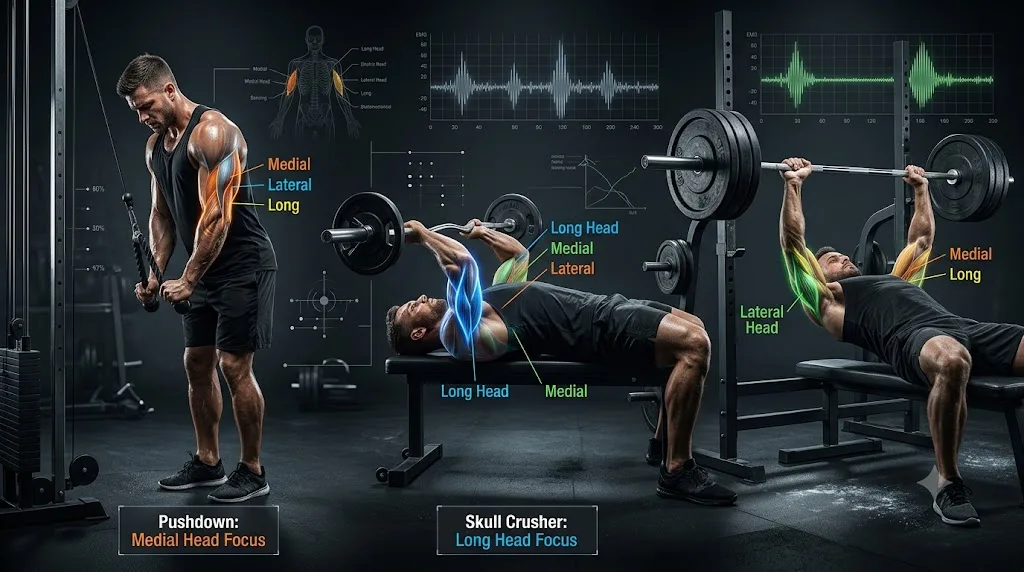
The triceps make up roughly two-thirds of upper arm mass. Skull crushers elicit greater long head activation due to shoulder positioning, close-grip bench press produces significantly higher triceps EMG compared to wider grips and allows the heaviest loads, while triceps pushdowns emphasise the medial head. This evidence-based guide compares pushdowns, skull crushers and close-grip bench presses for triceps activation, head-specific targeting and practical arm training.
Updated 27 July 2026, 11:43 am IST | IstrendingNow Desk
Fitness / Strength Training
Source angle: research-backed training advice with clear form, safety and programming notes.
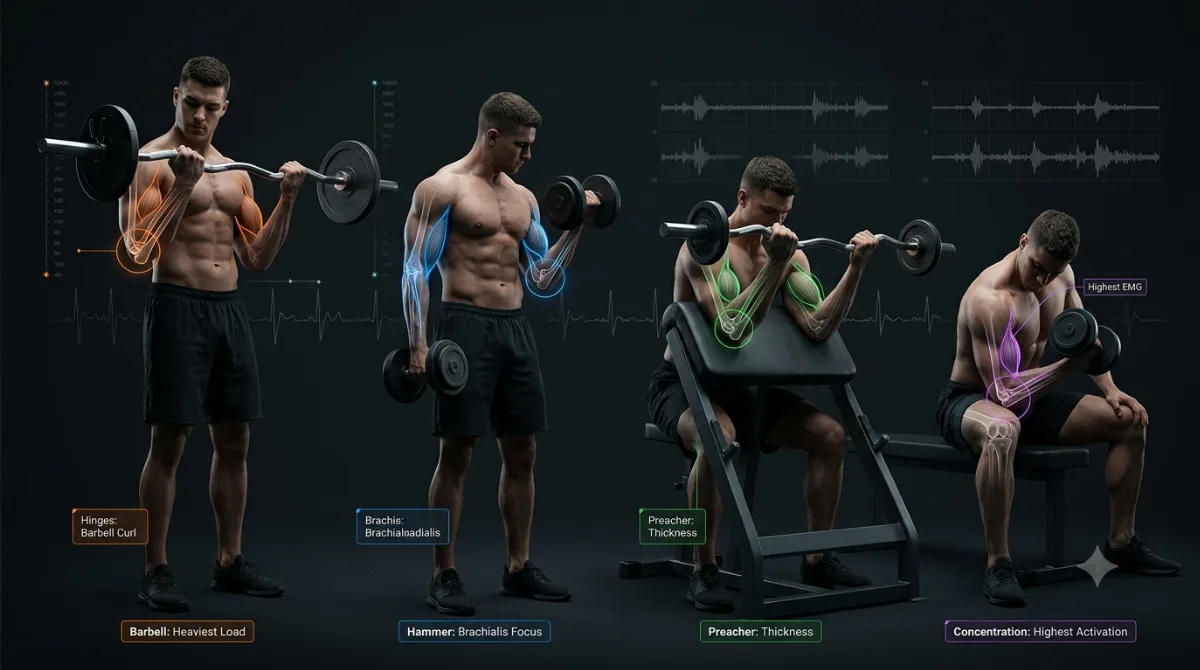
The concentration curl elicits the highest biceps brachii activation, while the barbell curl allows the heaviest loads. The hammer curl targets the brachialis and brachioradialis for arm thickness, and the preacher curl offers isolated short-head development. This evidence-based guide compares barbell, dumbbell, hammer and preacher curls for biceps activation, brachialis growth and practical arm training.
Updated 26 July 2026, 5:49 pm IST | IstrendingNow Desk
Fitness / Strength Training
Source angle: PubMed-indexed EMG and shoulder-safety research with practical setup cues.
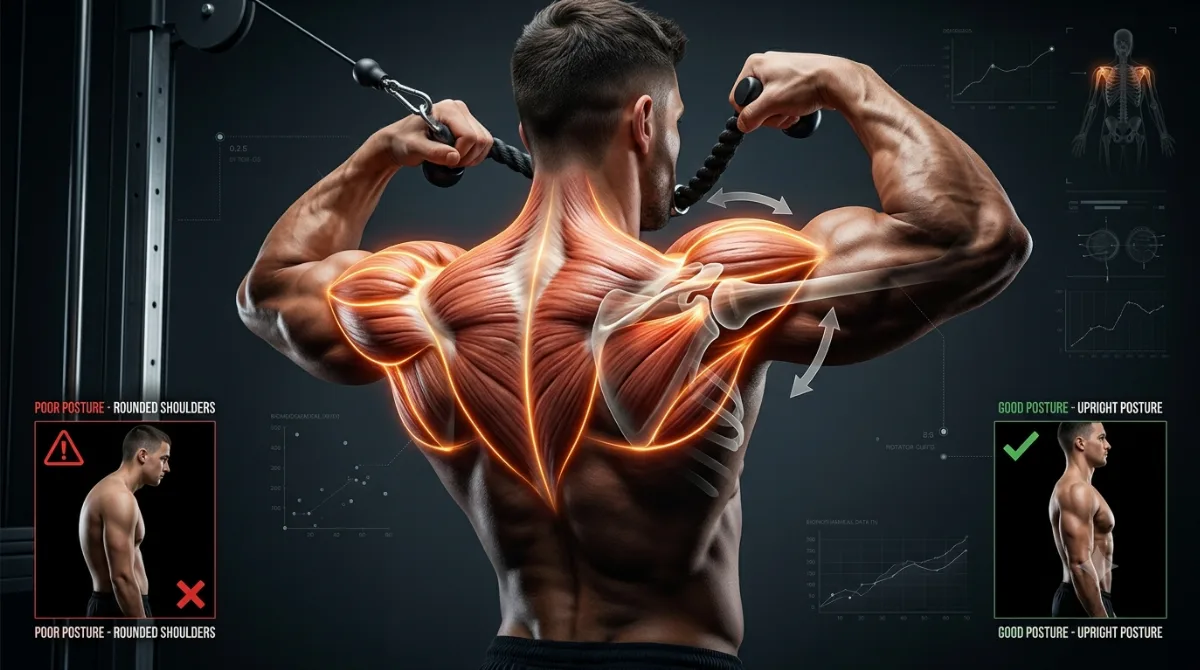
The face pull is a cable exercise that targets the posterior deltoids, trapezius, rhomboids, and rotator cuff muscles (infraspinatus and teres minor). Research shows that strengthening the external rotators may help mitigate characteristics associated with subacromial impingement syndrome. Face pulls and rear delt work are essential for shoulder balance, injury prevention and posture correction — especially for lifters who do a lot of pressing.
Updated 23 July 2026, 7:12 pm IST | IstrendingNow Desk
Fitness / Strength Training
Source angle: PubMed-indexed EMG and shoulder-safety research with practical setup cues.
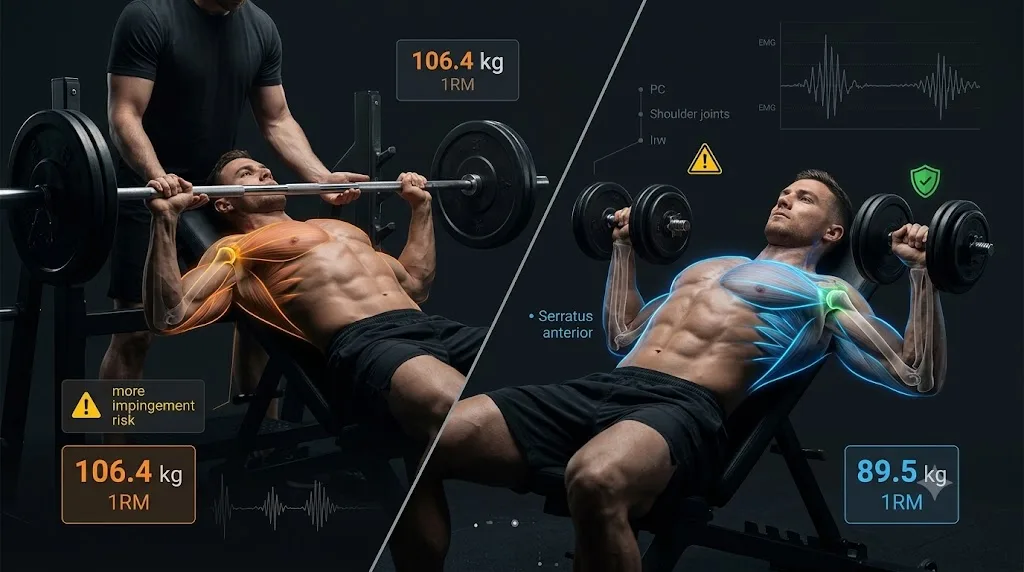
The barbell bench press allows heavier loads (106.4 kg vs 89.5 kg 1RM) and greater prime-mover activation, while dumbbells offer superior shoulder comfort, greater range of motion and better muscle symmetry. This evidence-based guide breaks down the research on muscle activation, load capacity and joint stress so you can choose the right chest press for your goals.
Updated 23 July 2026, 12:59 pm IST | IstrendingNow Desk
Fitness / Strength Training
Source angle: PubMed-indexed EMG and shoulder-safety research with practical setup cues.
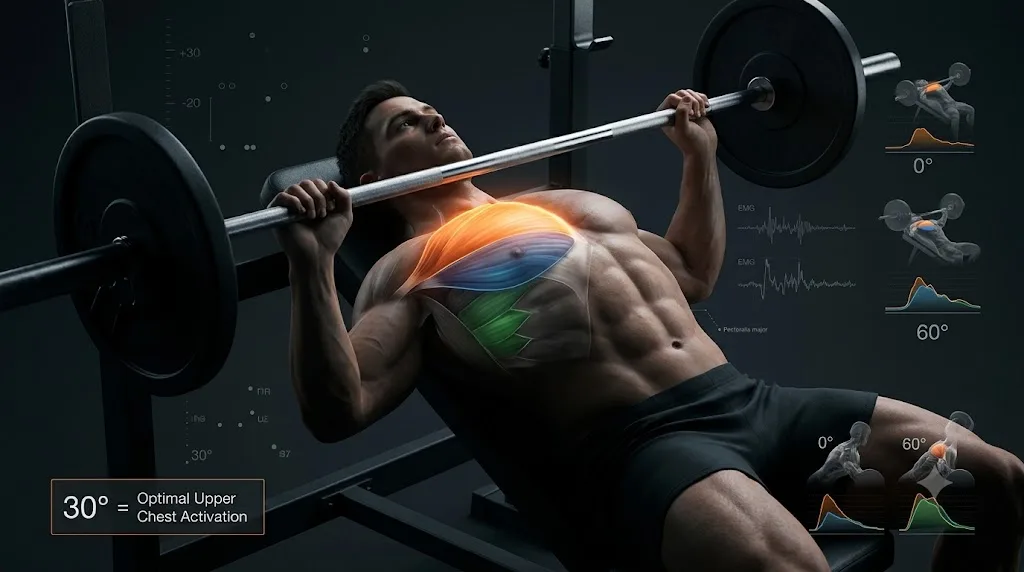
The best incline bench press angle for upper chest activation is usually around 30°. Research shows 30° produces strong clavicular head activation, while angles above 45° shift more work to the anterior deltoids and reduce chest emphasis.
Updated 23 July 2026, 12:11 pm IST | IstrendingNow Desk
Fitness / Strength Training
Source angle: PubMed-indexed EMG and shoulder-safety research with practical setup cues.
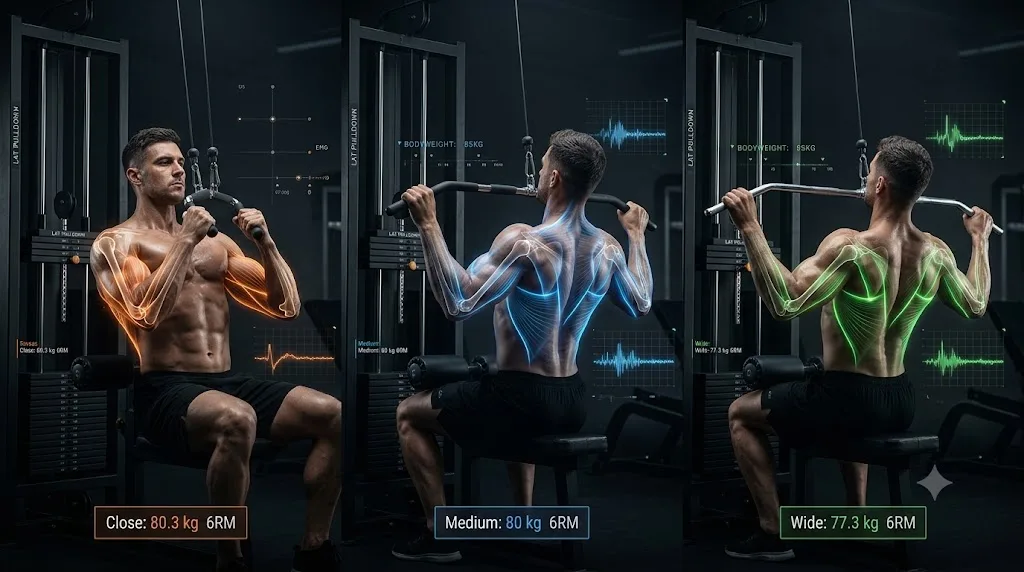
Grip width in the lat pulldown matters less for lat activation than many lifters think. Research suggests wide, medium and close grips produce broadly similar latissimus dorsi activation, but they differ in load capacity, joint comfort, biceps involvement and eccentric-phase emphasis.
Updated 22 July 2026, 5:58 pm IST | IstrendingNow Desk
Fitness / Strength Training
Source angle: research-backed training advice with clear form, safety and programming notes.
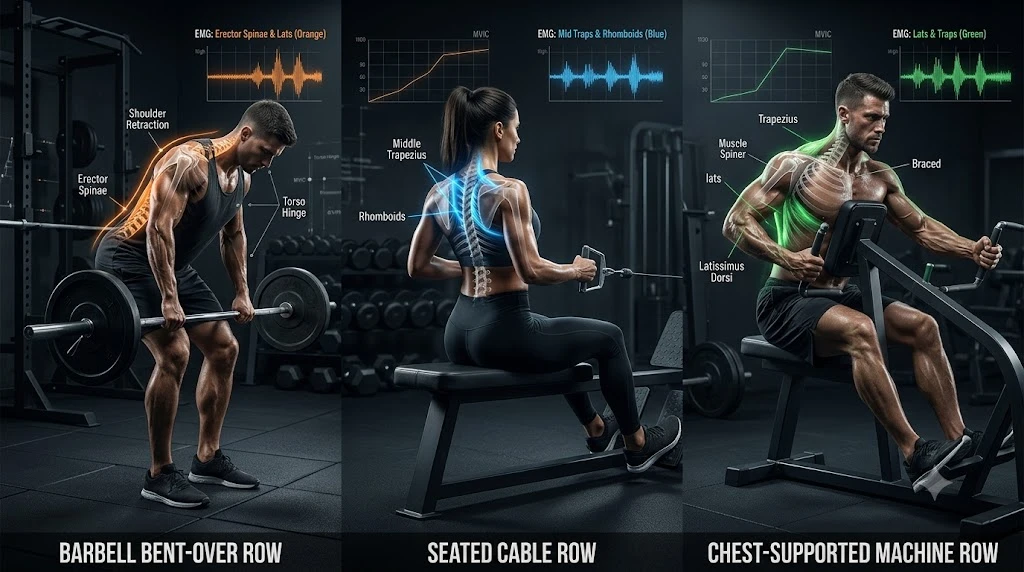
A thick, powerful back needs more than random rows. Here is what the research says about barbell rows, cable rows and machine rows — and how to choose the right one for strength, hypertrophy, lat focus and lower-back safety.
Updated 15 July 2026, 1:54 pm IST | IstrendingNow Desk
Fitness / Strength Training
Source angle: PubMed EMG comparisons for barbell, dumbbell, machine and shoulder safety.
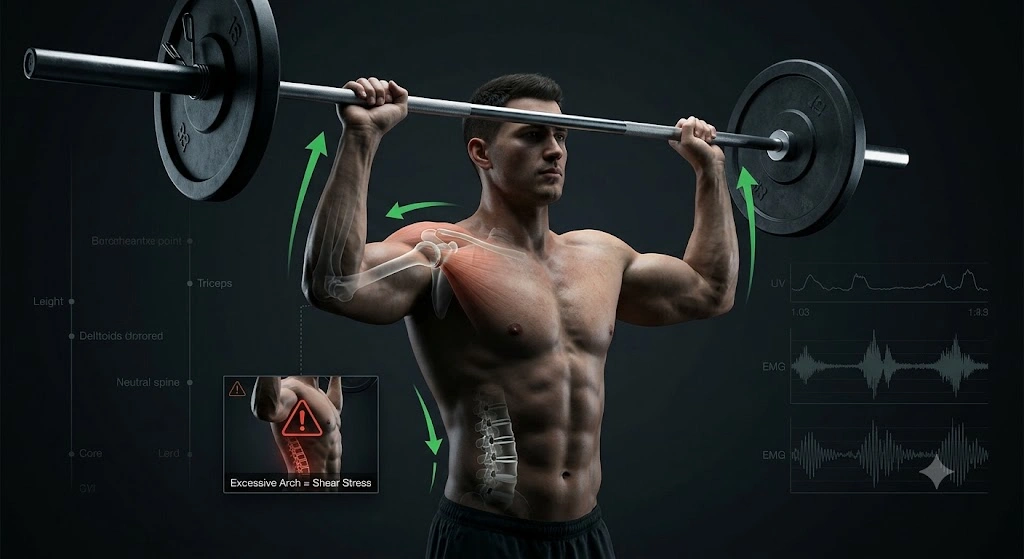
Overhead press guide: PubMed-indexed EMG research on deltoid activation, barbell vs dumbbell pressing, standing vs seated setup and lower back safety.
Updated 5 July 2026, 2:05 pm IST | IstrendingNow Desk
Fitness / Strength Training
Source angle: PMC/Frontiers hypertrophy study plus PubMed EMG and calf-training evidence.
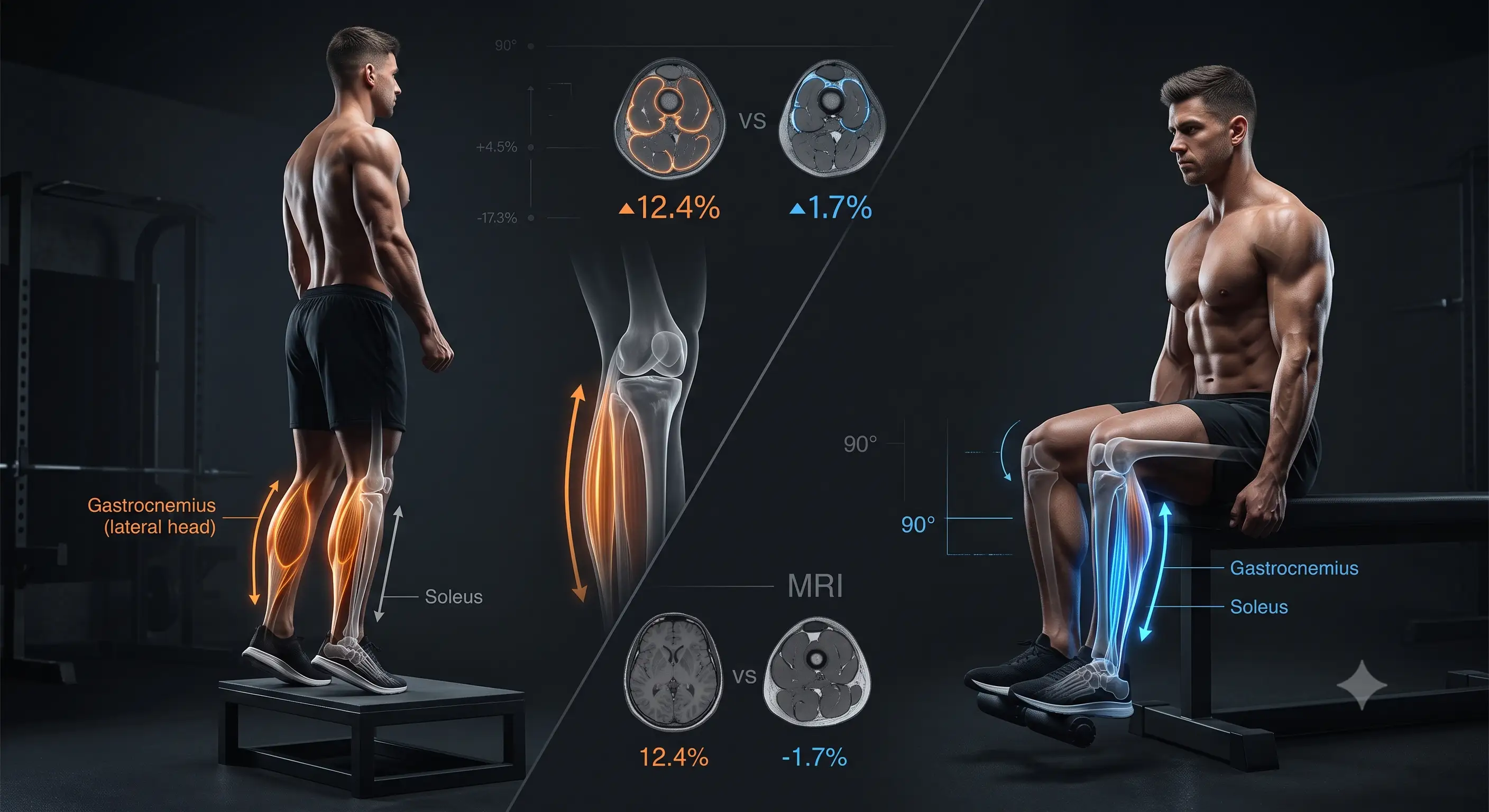
Standing vs seated calf raises: PubMed and PMC-backed evidence on gastrocnemius, soleus growth and training bigger calves with clear form cues.
Updated 4 July 2026, 2:05 pm IST | IstrendingNow Desk

Fitness / Strength Training
Source angle: PubMed/PMC studies on muscle activation, joint loading and practical form.
Walking lunges vs Bulgarian split squats: what science says about muscle activation, balance and knee safety. Evidence-based guide for single-leg training.
Updated 30 June 2026, 6:30 pm IST | IstrendingNow Desk
Fitness / Strength Training
Source angle: research-backed training advice with clear form, safety and programming notes.
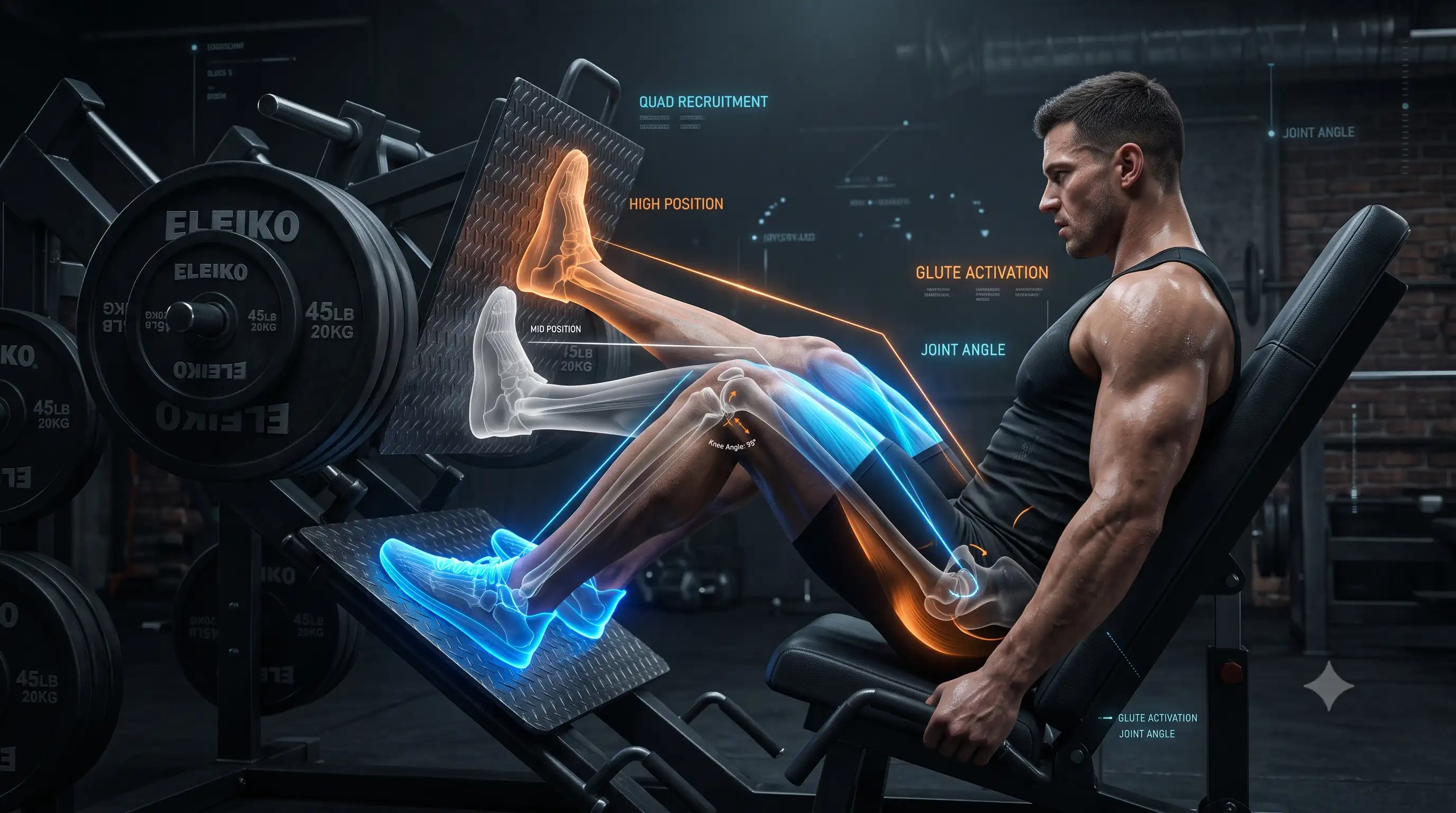
Leg press foot placement guide: what science says about quads, glutes and knee stress. High, low, wide and narrow stances explained for gym lifters.
Updated 30 June 2026, 6:15 pm IST | IstrendingNow Desk
Fitness / Strength Training
Source angle: PubMed/PMC studies on muscle activation, joint loading and practical form.
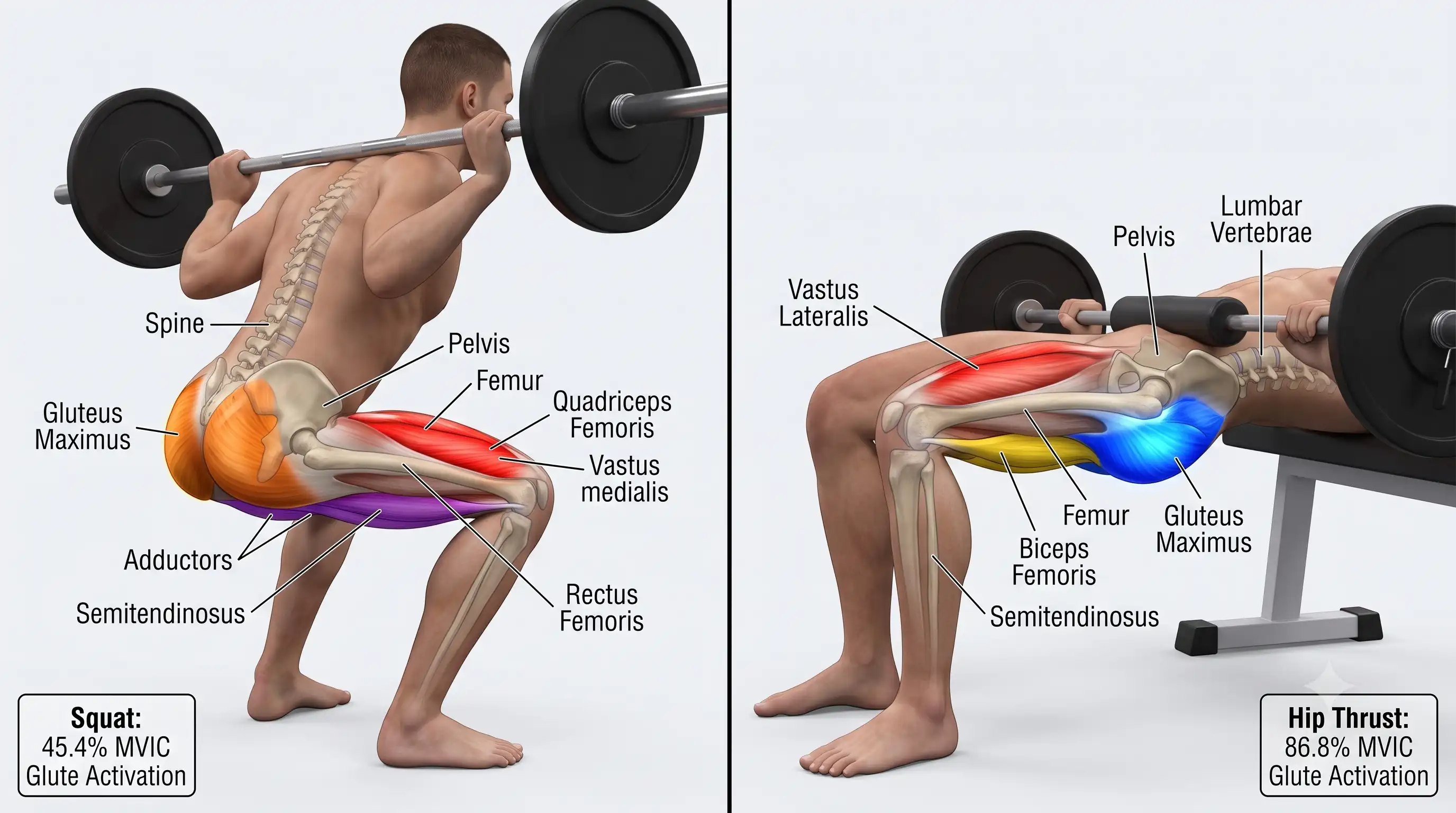
Hip thrust vs squat: what science says about glute activation, muscle growth and which builds glutes better. Evidence-based guide for gym lifters.
Updated 30 June 2026, 6:00 pm IST | IstrendingNow Desk
Fitness / Strength Training
Source angle: peer-reviewed biomechanics and activation research translated into gym cues.
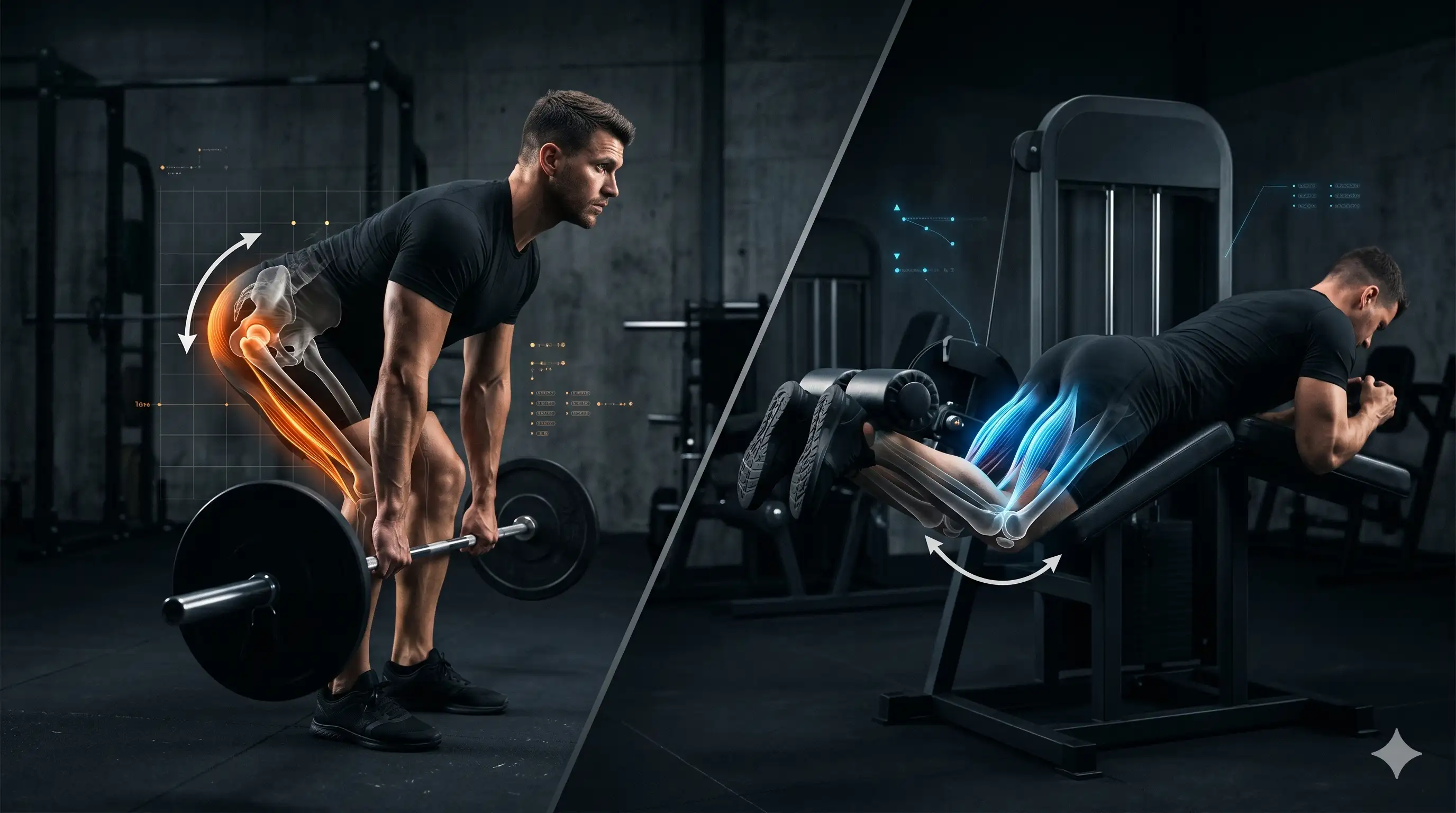
Romanian Deadlift vs Leg Curl: what science says about hamstring activation, muscle growth and injury prevention.
Updated 24 June 2026, 2:05 pm IST | IstrendingNow Desk
Fitness / Strength Training
Source angle: peer-reviewed biomechanics and activation research translated into gym cues.
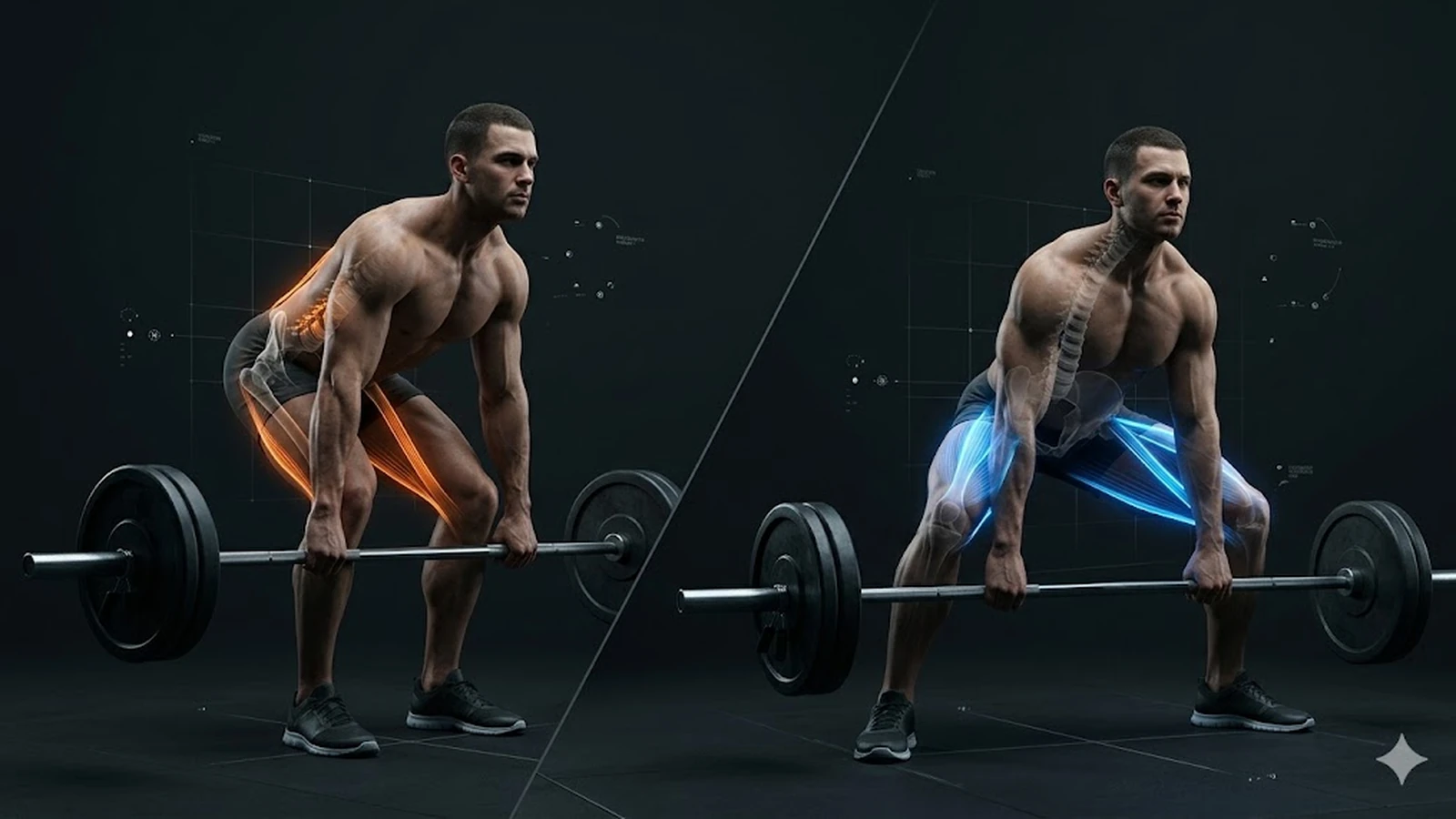
Conventional and sumo deadlifts compared with research-backed guidance on muscle activation, setup differences and choosing the right style.
Updated 24 June 2026, 1:20 pm IST | IstrendingNow Desk
Fitness / Strength Training
Source angle: PubMed/PMC studies on muscle activation, joint loading and practical form.
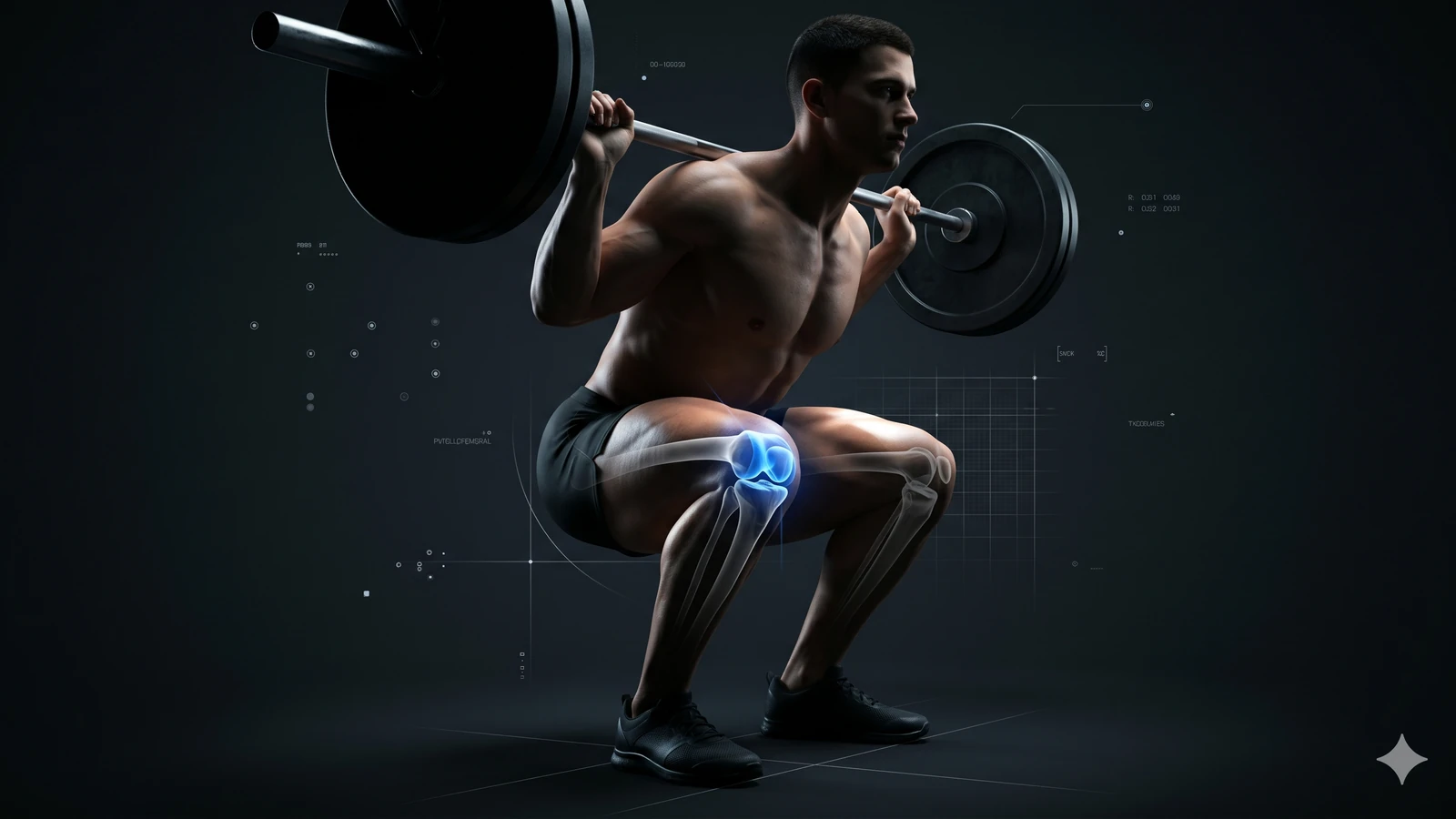
Parallel vs deep squats explained with research-backed guidance for strength, muscle growth and knee safety.
Updated 24 June 2026, 12:35 pm IST | IstrendingNow Desk
Fitness / Strength Training
Source angle: research-backed training advice with clear form, safety and programming notes.
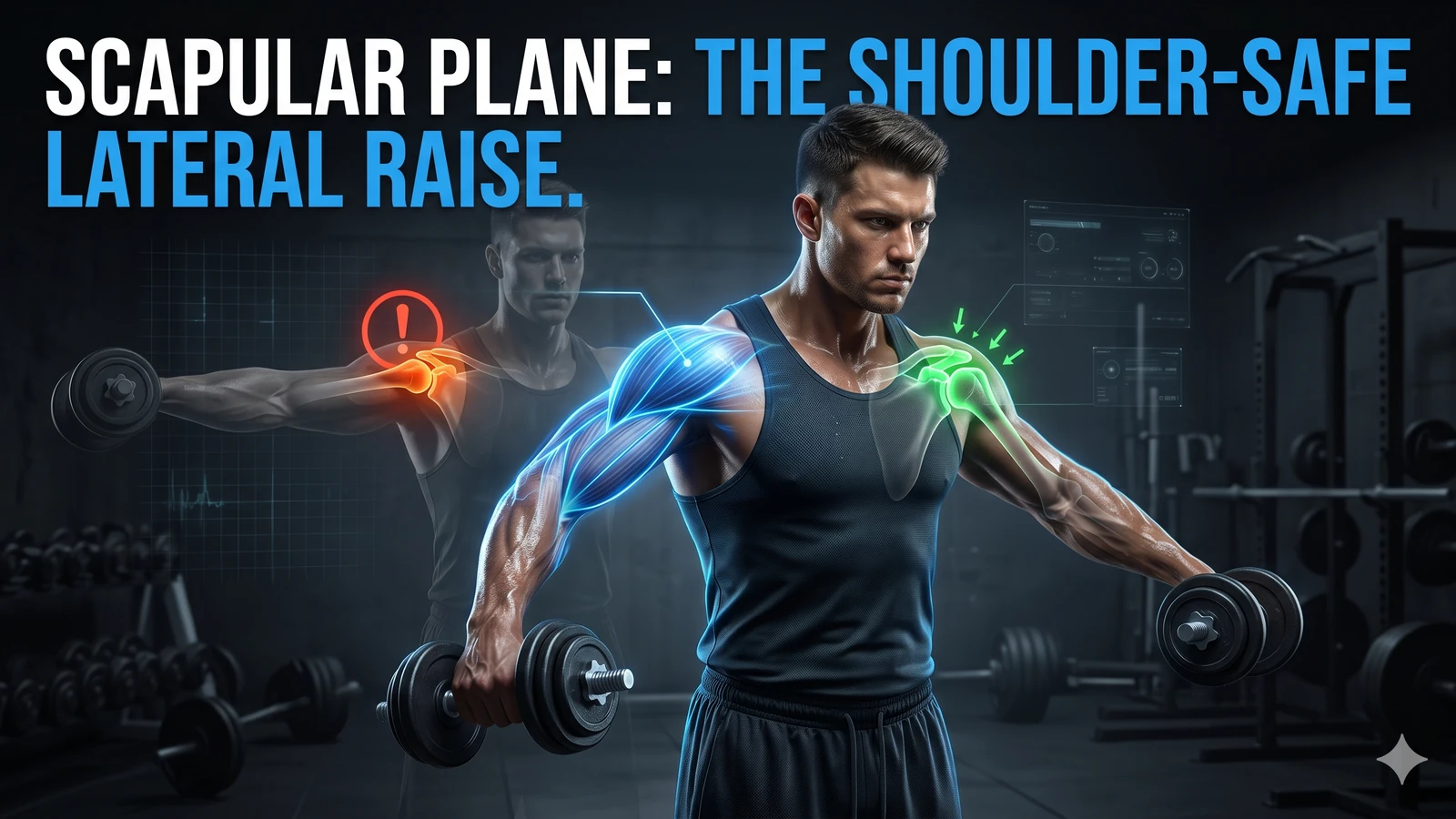
A practical PubMed-backed guide to using the scapular plane for lateral raises so you can train delts with less shoulder pinching.
Updated 23 June 2026, 6:35 pm IST | IstrendingNow Desk
Fitness / Strength Training
Source angle: research-backed training advice with clear form, safety and programming notes.
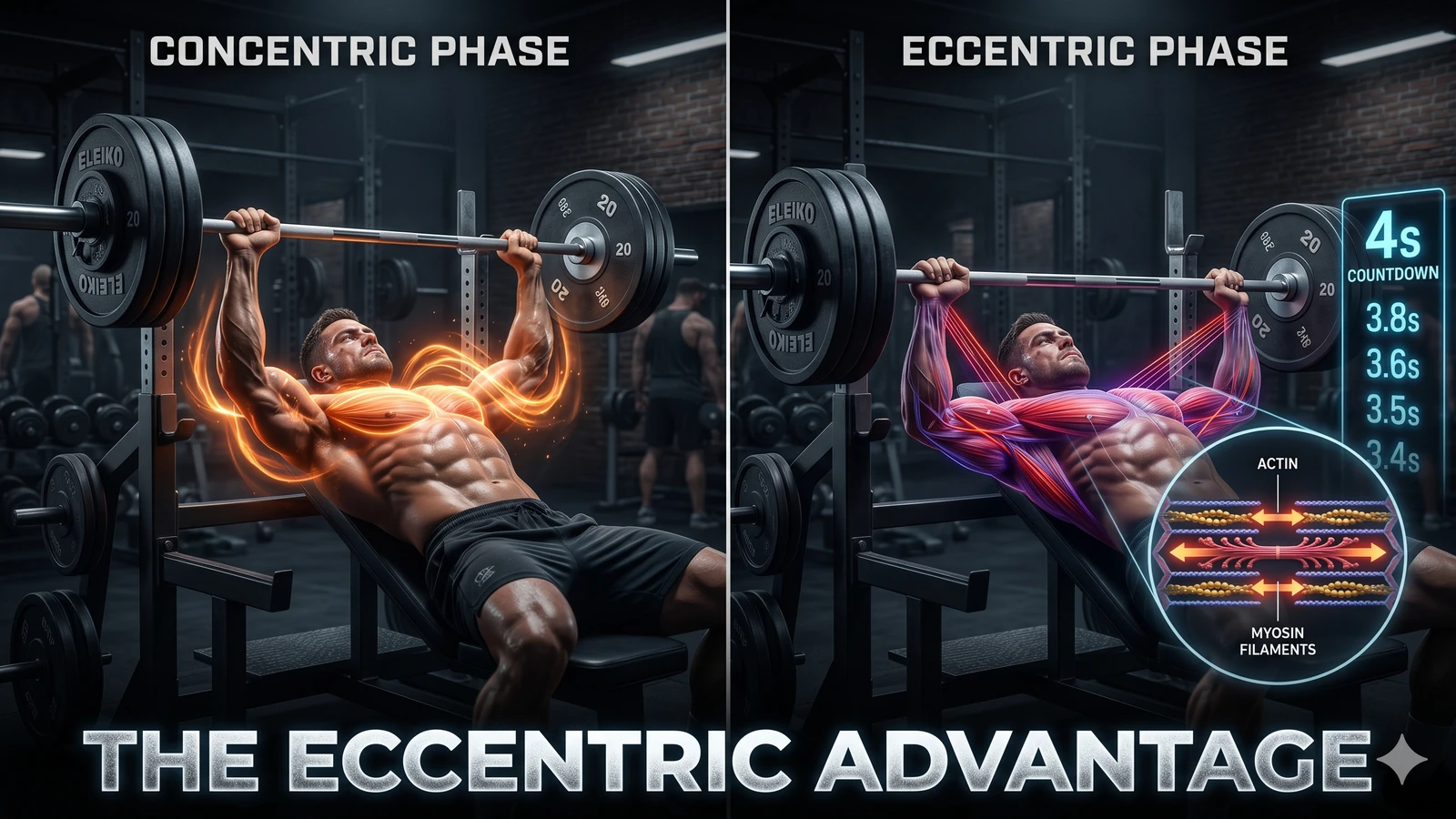
A practical science-backed guide to using 3-4 second eccentric reps for upper-body pressing, pulling and hypertrophy training.
Updated 23 June 2026, 3:05 pm IST | IstrendingNow Desk
Fitness / Strength Training
Source angle: PubMed-indexed EMG and shoulder-safety research with practical setup cues.
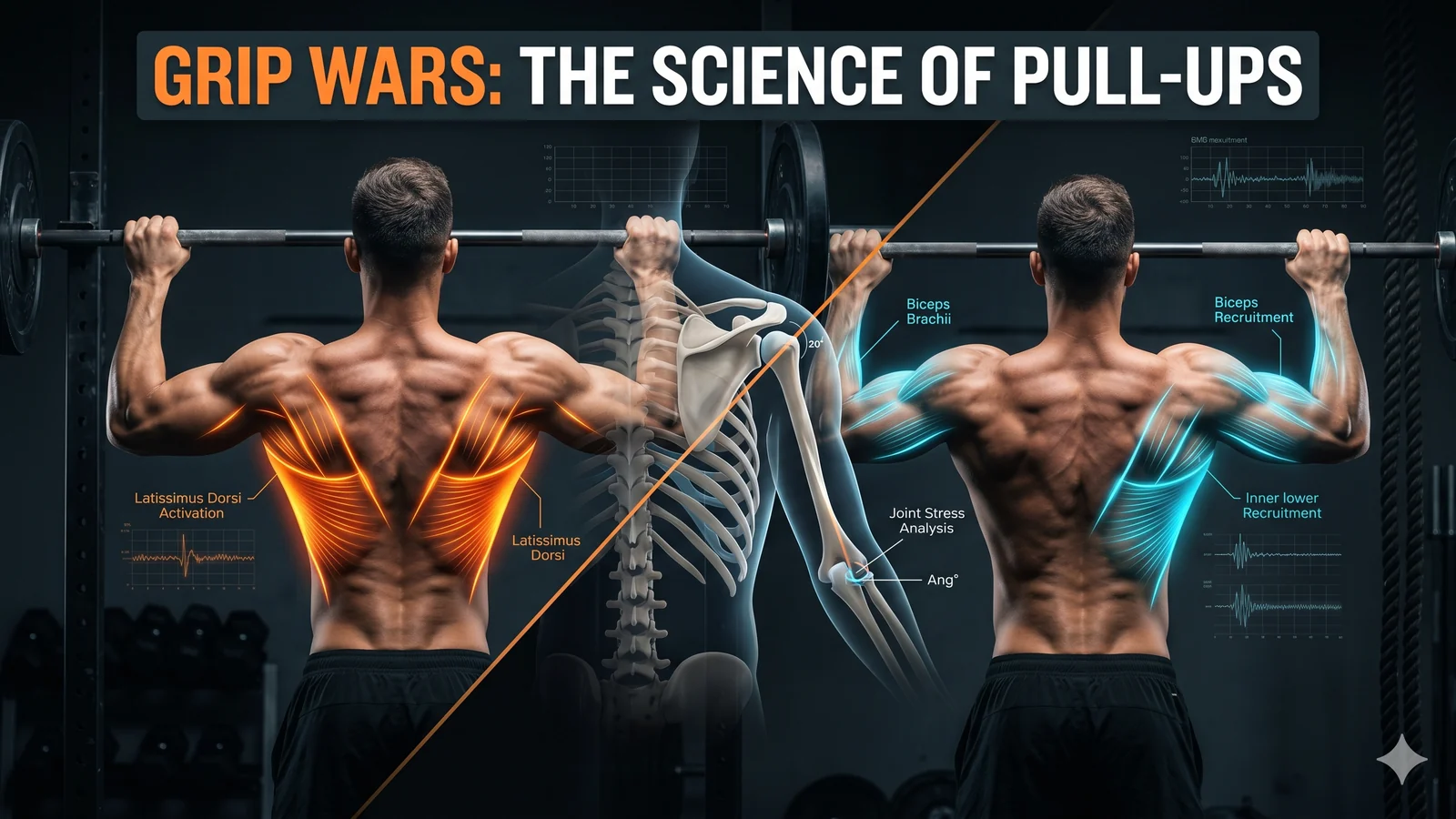
A PubMed-backed guide to pronated and supinated pulling grips, showing what changes for lats, biceps, shoulders and training comfort.
Updated 23 June 2026, 2:10 pm IST | IstrendingNow Desk
Fitness / Strength Training
Source angle: PubMed-indexed EMG and shoulder-safety research with practical setup cues.
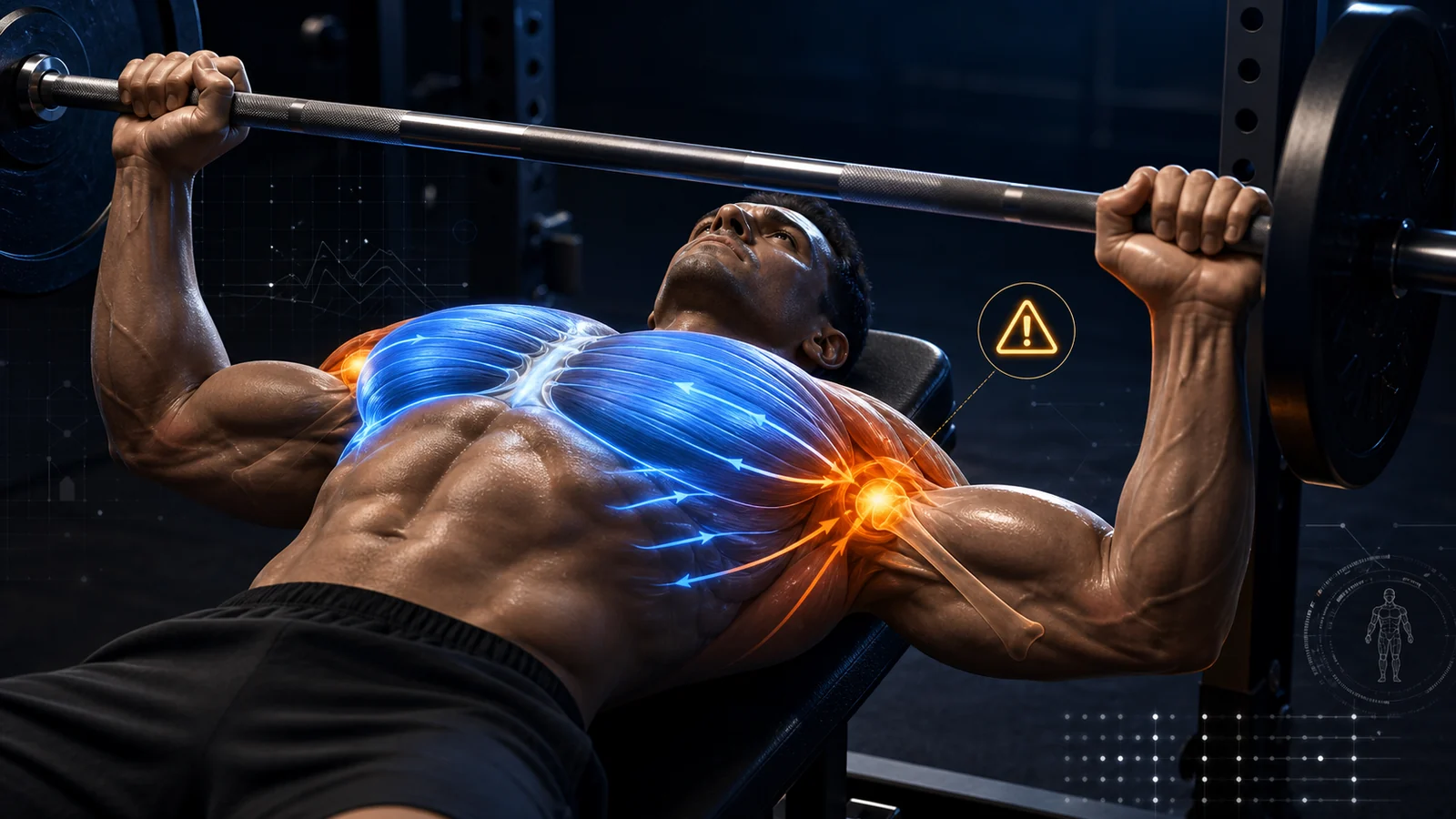
A source-backed bench press guide showing how narrow, medium and wide grips change chest, triceps and shoulder loading.
Updated 23 June 2026, 12:10 pm IST | IstrendingNow Desk